+1 (720) 487-3589
inquiry@compasskin.com
Nepal is more than the Himalayas, its the hills, rivers, wild places that makes it so unique. Experience the soul of Nepal without the steep climbs. This 11-day journey weaves through the medieval charm of Bandipur’s sunset-lit ridges, the sparkling silver Seti River, and the deep, wild heart of Chitwan National Park. From riverine jungles to tracking rhinos by jeep, every moment is crafted for immersion and comfort. Leave the trekking poles behind for a more profound connection with the hills, rivers, and wild places.
Kathmandu greets you first through Thamel’s narrow lanes — prayer flags strung between guesthouse rooftops, shopfronts stacked with down jackets and trekking gear, and the easy buzz of travelers swapping stories over their first plate of momos. Kathmandu is one of the great living art cities of Asia — a place where a 12th-century stone deity watches over a busy street corner and a craftsman three feet away chips the same motif his grandfather taught him.
Two extraordinary squares and a stupa in a single day — medieval palaces framing courtyards where sadhus sit beneath carved temple struts, the scent of incense curls past pagoda rooftops, and artisans still shape wood, stone, and bronze in workshops their guilds have run for a thousand years. Monkeys reign over hilltop shrines, and the valley’s spiritual pulse is palpable at every turn.
Arrival & village walk
The road west from Kathmandu follows the Trishuli River through gorges and mid-hill farmland before climbing to Bandipur — perched on a mountain saddle with a 180° sweep of the Himalayas from Dhaulagiri to Manaslu to the Annapurnas. Known as the “Queen of the Hills,” Bandipur wears its Newari heritage with quiet confidence: a main street of beautifully preserved 18th-century brick facades, no motorised traffic, and the particular stillness of a place that has been watching the mountains since the age of the India-Tibet salt trade.
Himalayan sunrise panorama · Siddha Cave
A short pre-dawn walk to Thani Mai Temple on Gurungche Hill pays back every step: Dhaulagiri, Annapurna, Manaslu, Ganesh Himal, and Langtang spread across the northern horizon in full, the peaks catching alpenglow one by one as the sun arrives. After breakfast, Siddha Cave — one of Nepal’s largest, running 437 feet deep and 164 feet high, its interior a cathedral of stalactites and limestone formations. The afternoon is for wandering: the Tindhara stone water spouts that still serve the village, carved temple struts and dormer windows in the lanes of the bazaar, and the simple pleasure of tea on a phalcha bench as the mountains turn gold.
From Bandipur, a short drive drops to the Damauli Bridge — the put-in point for the Seti River, whose name means “white” in Nepali, a nod to the lime-laced water that runs silver-bright between jungle-green banks. After a safety briefing the rafts push off: Class II and III rapids punctuated by long gliding stretches where kingfishers arrow past and egrets stand motionless in the shallows. The river cuts through an isolated gorge surrounded by lush jungle before arriving at The Seti Camp — 16 safari-style tents tucked into the riverside forest, each with en-suite bathrooms, hot running water, and a private veranda. Evenings here are made for the fire pit, hammocks, and an enormous sky.
Morning on the Seti begins with a few final Class III drops before the river widens and calms at Gaighat. It is the take-out point where the jungle thickens and the Terai plains begin. After lunch on the riverbank the drive south crosses into Chitwan, Nepal’s most celebrated national park: sal forests, grasslands, and the low horizon of the inner Terai stretching away under an enormous sky. Kasara Jungle Resort sits nestled in the treeline on the edge of this wilderness. From private villas blending into the surrounding forest, the sounds of the jungle arriving well before any sight of it.
Experiences at Kasara Chitwan
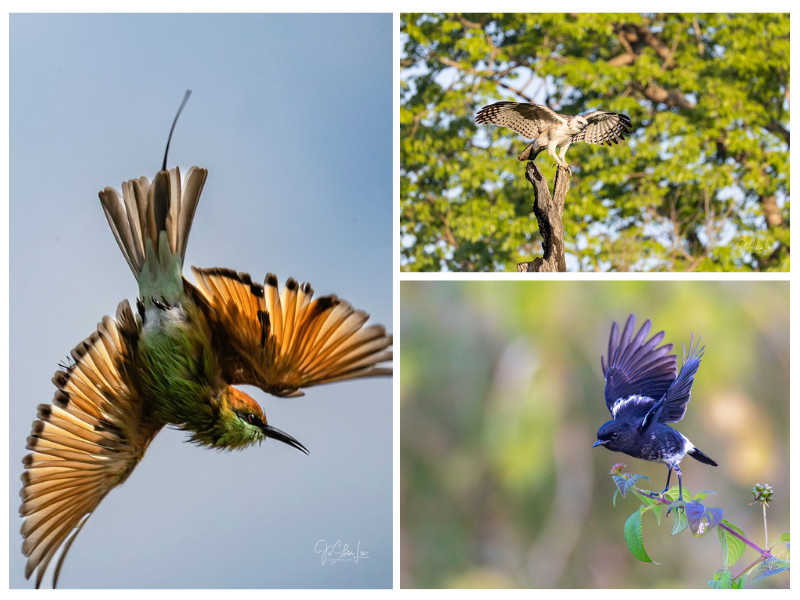
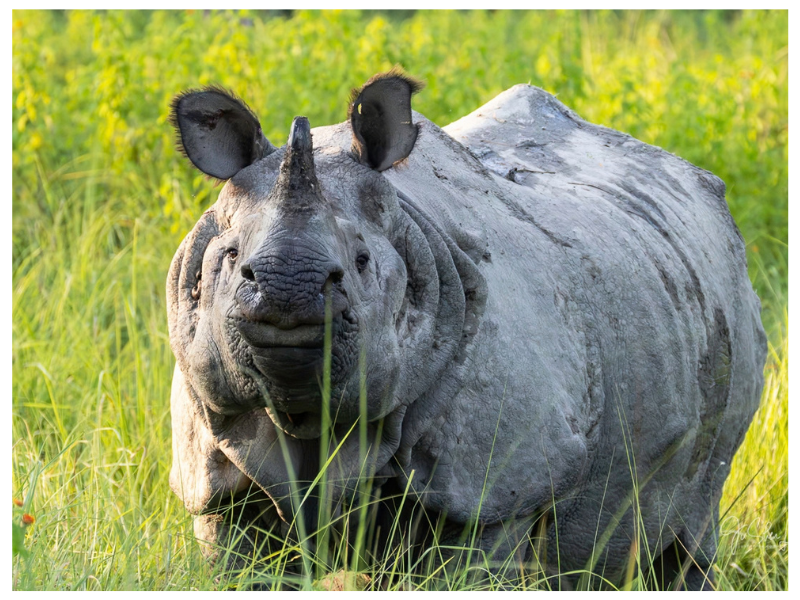
A full day given over to Chitwan’s extraordinary ecosystem, sequenced by Kasara’s naturalist team to make the most of light, wildlife movement, and the rhythm of the park. The jeep safari pushes deep into Chitwan National Park. Explore grassland meadows where one-horned rhinos graze, sal forest corridors where leopards and sloth bears move on their own schedule, and river channels watched over by Gharial and Mugger crocodiles. A silent dugout canoe on the Rapti River drifts between banks thick with kingfishers, storks, and the occasional submerged crocodile eye. The Tharu village visit and stick-dance performance round out the day, the indigenous people of the Terai carrying centuries of culture in every beat.
Experiences at Kasara Chitwan
A last morning at Kasara — perhaps a dawn nature walk with binoculars, or simply tea on the veranda watching the treeline wake up. The afternoon flight back to Kathmandu is short enough to feel like a bookmark rather than an ending, the jungle and the mountains trading places in the window as the Terai falls away below.
Bhaktapur — the best-preserved medieval city in Nepal — greets you with terracotta tile rooftops, ancient woodcarvers’ workshops, and the 55-Window Palace. A Newari lunch follows, then a costume photoshoot in traditional dress against the square’s centuries-old backdrop. At dusk, Boudhanath Stupa — one of the largest in the world — is luminous with a thousand butter lamps, monks circling the dome in a living mandala. A fitting farewell to Nepal.
A free day to absorb the last of Kathmandu — its thangka galleries, spice bazaars, rooftop cafés, and the comfortable anonymity of a city that has hosted wanderers for centuries. The evening takes you to Pashupatinath Temple on the banks of the Bagmati, where the Aarati ceremony unfolds at dusk: oil lamps tracing arcs in the dark, sadhus chanting, the sacred river carrying embers downstream.
Nepal stays with you — not just in photographs, but in the memory of alpenglow over Bandipur, the pull of the Seti River beneath your raft, and an evening with a Tharu family that felt more like a visit than a tour. A Compasskin representative escorts you to the airport. Until next time.


No. Nepal offers far more than high-altitude trekking, and this trip is built for travelers who want its culture, countryside and wildlife without the climbs. It combines Kathmandu’s heritage, Bandipur’s hill-town culture, a Seti River rafting trip and Chitwan’s wildlife. It never goes above 3,380 ft, so altitude isn’t a concern. That also makes it a good first trip to Nepal.
Yes. The walking is gentle and optional, and the trip suits travelers aged 10 to 70.
Nepal is a popular destination for international and adventure travelers. With normal travel precautions and awareness of local conditions, the risks are low. We recommend travel insurance with medical and evacuation coverage.
Gentle. Walking is mostly village strolls and old-town sightseeing. The most strenuous part is an optional 30-minute sunrise walk to Thani Mai Temple in Bandipur.
Bandipur is a historic hill town known for its Newari architecture, mountain views and relaxed village atmosphere. You take a village walk, visit the Thani Mai sunrise viewpoint and Siddha Cave, and have time in the traditional bazaar. It’s a cultural and scenic stop, not a trekking destination.
No. The Seti River has Class II–III rapids, which are lively but beginner-friendly. You raft about 22 miles over two days with well-trained river guides. You don’t need to be a swimmer: everyone wears a life jacket and helmet throughout.
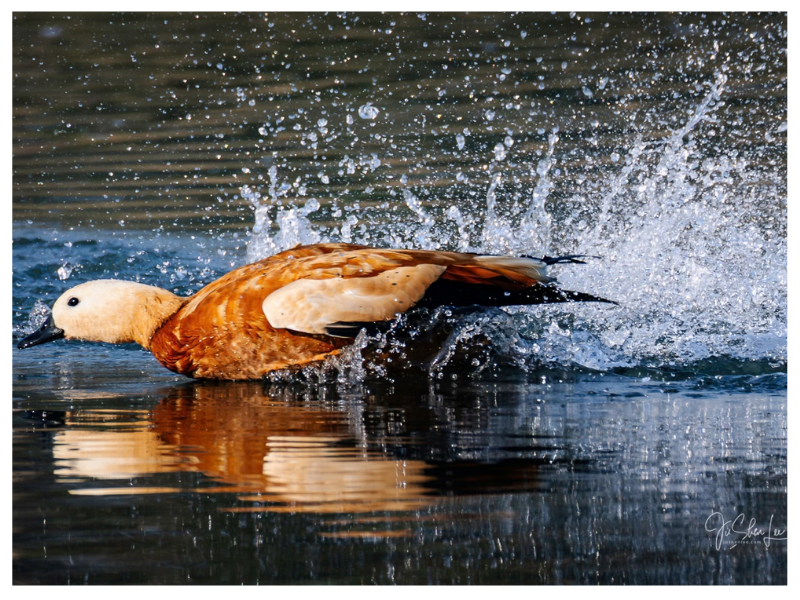
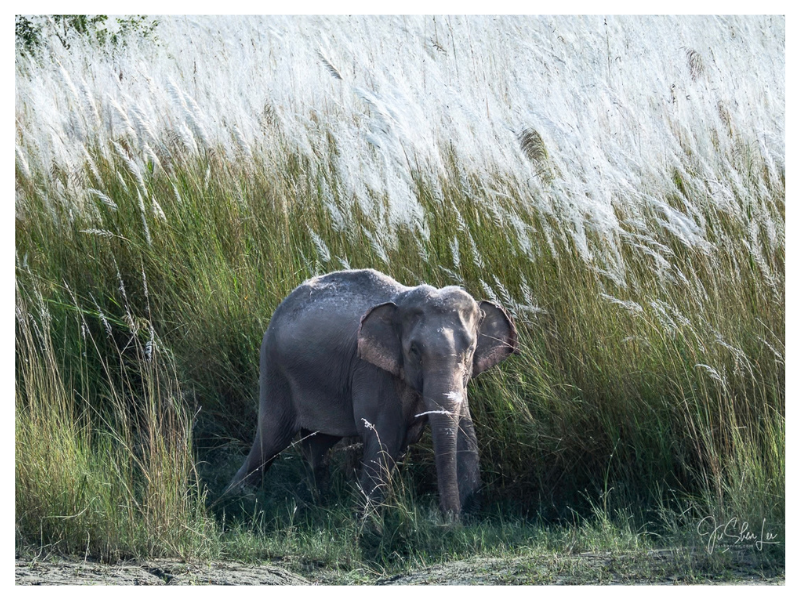
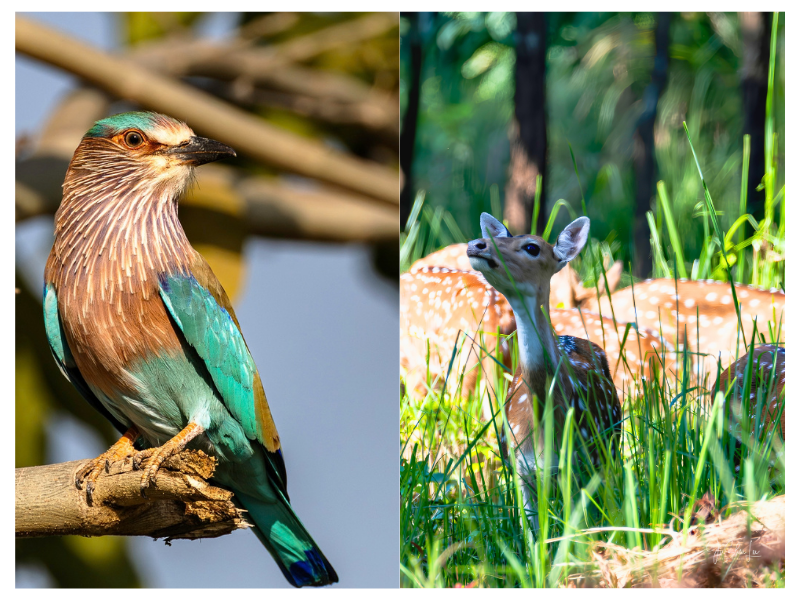
Chitwan is one of Nepal’s major wildlife destinations. Jeep safaris, canoe rides, birdwatching and Tharu cultural experiences are all on offer. Greater one-horned rhinos, deer, gharial and mugger crocodiles and many bird species are regular sightings, and sloth bears live in the park. Tigers live there too but are rarely seen, so treat a sighting as a bonus. No sighting is ever guaranteed.
Kathmandu to Bandipur is about 89 miles (around 4.5 hours) by private vehicle. The other road transfers, including to the Seti River and on to Chitwan, are short. You fly from Bharatpur (Chitwan) back to Kathmandu, a flight of about 35 minutes.
The local currency is the Nepalese rupee. Major hotels, restaurants and shops commonly accept major credit cards, and ATMs are widely available in Kathmandu and other cities. Carry some rupees for small businesses and rural areas such as Bandipur and Chitwan.
Bandipur for two nights, then one night at The Seti Camp, a riverside safari-tent camp run by Rural Heritage. After that, two nights at Kasara Jungle Resort on the edge of Chitwan National Park, and Nomad Kathmandu in the city.
Full board in Bandipur, at The Seti Camp and at Kasara. In Kathmandu, breakfast is included daily, plus the welcome and farewell dinners.
Nepal can be visited year-round. October to March is ideal, especially for Chitwan. October and November bring the clearest skies after the monsoon. April to June gets hot and humid in the lowlands, and July to September brings monsoon rain.
Nepal is culturally diverse, with Hindu, Buddhist, Newari, Tharu and many other traditions. Dress modestly at religious sites, ask before photographing people or ceremonies, and follow local instructions at temples. This matters most around religious places and in rural communities.
